
Field guide
Twenty two pests, and what each one actually does.
Whether the problem is preventative or already underway, it helps to know what you are looking at. Everything below is a pest we treat across Northern and Central New Jersey.
The index
Open any entry to read how we treat it
All 22, in alphabetical order, with the identification notes our technicians work from.
 Bed Bugs
Adult bed bugs are reddish brown and about the size of an apple seed, turning darker red after feeding. Newly hatched nymphs are far smaller and nearly invisible, and they are expert hitchhikers on people and pets. They cannot fly, but they are persistent, and they cost you sleep. It is essential to correctly identify look-alikes such as poultry and bat bugs, because the right treatment depends on it. A certified technician should inspect and treat.
Ask us about Bed Bugs  Beetles
Beetles damage a home by feeding on wood or infesting plants, herbs, spices and stored grain. Even the click beetle finds its way inside with the change of season or an attraction to light. We inspect, treat, prevent and explain, using environmentally safe materials inside and outside the structure.
Ask us about Beetles  Carpenter Ants Half an inch to an inch long
Black, red and yellow ants ranging from half an inch to an inch long. They tunnel and nest inside wooden structures, weakening them over time. They usually nest outside and come indoors for food and shelter. We examine the property for entry points and damaged or infested wood, suggest practical ways to make your home less appealing to them, and build a treatment plan around the cause rather than the symptom.
Ask us about Carpenter Ants  Carpet Beetles
The varied and the black carpet beetle are the two common types in New Jersey. Some people react to them, but the real damage is to clothing, carpets, furniture, and human and pet hair, which the larvae feed on. They arrive on plants, flowers or infested fabric, and adults come in from outside while foraging. Inspection, treatment, prevention and education are all needed to clear them.
Ask us about Carpet Beetles 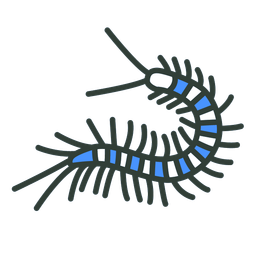 Centipedes and Millipedes
Segmented bodies and many pairs of legs, which is how centipedes earned the name hundred leggers. They prefer dark, damp outdoor spots but move into basements and crawl spaces. We inspect the interior and recommend preventive measures and treatment to keep them out.
Ask us about Centipedes 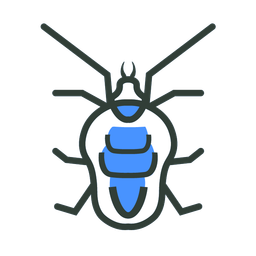 Clover Mites
Tiny red pests about the size of a pinhead that gather in large groups to feed on plants. They are mostly a nuisance, but they wander into buildings and leave a red stain when crushed, which damages surfaces. Our team is trained to eliminate them.
Ask us about Clover Mites 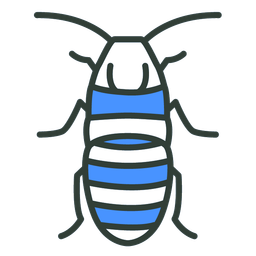 Cockroaches
Cockroaches do not bite, but they reproduce fast, and their shed skin and excrement trigger allergic reactions and asthma attacks. They carry E. coli and Salmonella. Our region has American, Brown banded, German and Oriental cockroaches; the Pennsylvania wood roach stays outside in wooded areas and is less of a concern. We eliminate them at the source and show you how to keep them from coming back.
Ask us about Cockroaches 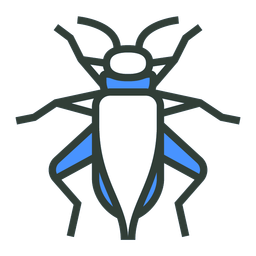 Crickets
The house cricket and the camel or cave cricket both invade buildings, thriving in warm, dark, moist spaces like basements, crawl spaces and laundry rooms. Depending on the species they can spread disease through excrement and saliva, they bite, and they feed on clothing, furniture and houseplants. They come in from the exterior, so treatment has to start there or they return.
Ask us about Crickets 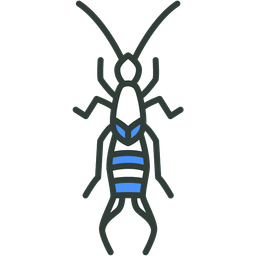 Earwigs
The pincers look intimidating, but earwigs are typically not dangerous. They are occasional invaders that move into a structure when the weather turns, preferring damp, dark spaces like basements, laundry rooms and utility closets. We inspect and build a treatment plan around where they are actually getting in.
Ask us about Earwigs 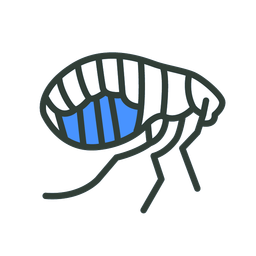 Fleas
Fleas
Adult fleas are the size of a grain of sand, brownish red, hard to crush, and able to jump eight inches onto a host. They spread disease and parasites, and their saliva causes allergic reactions in animals and people. They arrive on pets, on people who have been outside, or on furniture that met an infected animal. A flea job has to be meticulous, because they hide in places that are hard to reach. We prepare you, inspect thoroughly, treat the whole home inside and out with certified safe materials where needed, and explain how to prevent the next infestation.
Ask us about Fleas 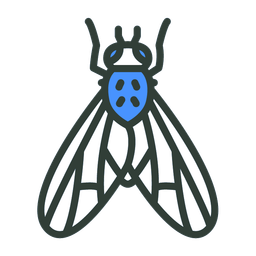 Flies
Flies
House flies, fruit flies, produce hitchhikers, and drain flies or sewer gnats are all found in our area. Flies carry bacteria and pathogens from unsanitary conditions, which makes them a health hazard if left alone. We eliminate breeding sites through proper sanitation, control access to the structure, and use environmentally friendly insecticides and fly lights in commercial accounts as part of an integrated pest management inspection.
Ask us about Flies 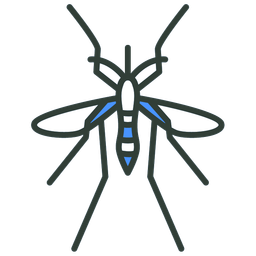 Mosquitoes
Mosquitoes spread bloodborne illnesses including Zika, West Nile, malaria and Chikungunya. They gather where they find what they need to survive: nectar from flowering plants, blood for egg development, standing water to lay in, and shelter in gutters, downspouts and dense vegetation. We offer recurring barrier protection, special event sprays, all natural protection, and combined tick and mosquito treatment.
Ask us about Mosquitoes  Moths Webbing clothes and pantry pests
Two types are common in New Jersey households. The Indian meal moth, the pantry pest, has a gray body and brown wings and feeds on grains, pasta and spices; it arrives in infested packages from a warehouse or store and flies around the food it has laid eggs in. The webbing clothes moth feeds on silk, wool, cotton, furs and synthetics, leaving the silk webbing patches it is named for. We find the source, explain the sanitation that stops it, then spot treat and bait the infested areas.
Ask us about Moths  Rodents Mice and rats
House mice and deer mice gnaw structure, utilities and belongings to build nests, and they contaminate food and surfaces with saliva, urine and feces, spreading salmonellosis, dysentery and Hantavirus. Roof rats climb and enter from the attic or a roof line touching a tree or neighboring building. Norway rats do not climb well and burrow near the buildings they visit, usually at ground level near a food source. Both bring fleas and ticks in with them. We inspect the property and structure, identify entry points, recommend exclusion, and treat at the source. Where rodenticides are used they go in a labeled, tamper proof station.
Ask us about Rodents 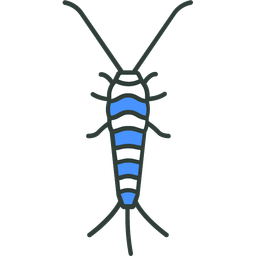 Silverfish
Silver and grey scales, quick movement, and a preference for damp, humid parts of a building. They arrive in infested boxes, papers and packaging, or through cracks and crawl spaces, and they damage personal belongings. We inspect to find the infestation and treat the affected structure with certified materials where needed.
Ask us about Silverfish 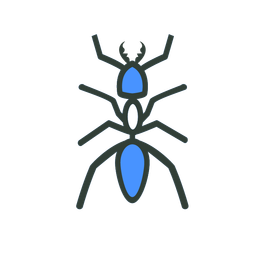 Small Ants
Acrobat ants, odorous house ants, pavement ants, pharaoh ants and citronella ants are all common in New Jersey. They contaminate food, give off unpleasant odors, and damage wiring insulation, and they gather around water sources in warm weather. Pharaoh ants are the concern: they spread salmonella and streptococcus, and they relocate the colony if the queen is threatened. We inspect, treat, prevent and explain, tailored to which ant you actually have.
Ask us about Small Ants 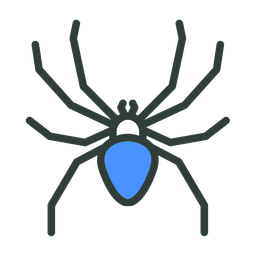 Spiders
House spiders, jumping spiders, wolf spiders and the black widow, whose venom makes it the dangerous one, all get into New Jersey homes. They come in from outside to build webs and hunt the insects already indoors. An exterior power spraying treatment of the vulnerable areas plus targeted interior treatment of the problem spots is what clears them.
Ask us about Spiders  Spotted Lanternflies
An invasive species now established in New Jersey and doing extensive harm to crops and hardwood trees. They congregate on vertical, sun warmed surfaces, where their vivid wings and spots make them easy to spot. Acting quickly limits the damage they do.
Ask us about Spotted Lanternflies  Stinging Insects Bees, hornets and wasps
Bees, hornets and wasps threaten people and pets when they feel threatened near a nest or a feeding area, and they nest on or inside a structure, damaging it. They are also essential pollinators, so they deserve a measured approach. We inspect, identify entry points, suggest exclusion, and treat at the source. If we find a honeybee colony we recommend beekeeping professionals who can extract the queen, hive and honey and repair the damage the nesting caused, so the pest is removed without harming the environment or non target insects.
Ask us about Stinging Insects 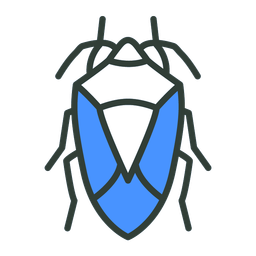 Stink Bugs
Shield or stink bugs pose no threat to people, but the pungent odor they use against predators makes them a nuisance. They shelter in structures through the colder months and reappear when it warms up. Preventing them means treating in the fall, with a thorough power spraying of the exterior.
Ask us about Stink Bugs  Termites
Subterranean termites live in colonies below the soil and feed on the cellulose in wood, reaching the framing of your building through a crack in the foundation and then traveling behind walls and under floors unnoticed. You can see them above ground in the mud tubes they build. Most owners have no idea there is an issue until an inspection, a wall opened during construction, or warm weather bringing swarmers that drop their wings all at once. We inspect thoroughly, explain how to reduce the risk, and treat several ways at once. As an alternative to injecting hundreds of gallons of pesticide into the soil, we now use advanced perimeter baiting systems and targeted liquid treatment, which works just as well with less impact.
Ask us about Termites  Ticks
Ticks
Ticks are prevalent across rural and suburban New Jersey, especially in overgrown vegetation and around wildlife. Depending on the species they transmit Rocky Mountain Spotted Fever, ehrlichiosis, tularemia and Lyme Disease to people and pets. Treating the areas around your property and the fence line is what lowers the risk. We inspect, explain how to reduce infestation, and treat inside as well if anything has made it in.
Ask us about TicksNot on the list
Have a pest you cannot identify?
No problem, we can help. Send us a message or call 888-617-7378 and we will work together to get to the bottom of it.
By season
Top pest problems by season
Pests do not rest, and neither do we. Some are active in specific months and others all year, so one treatment will not cut it when every season brings a different challenge.
-

Spring
Ants, carpenter bees, crickets, fleas, spiders, termites and ticks emerge and reproduce.
Recurring services -

Summer
Activity rises from ants, crickets, millipedes and stinging insects, which can be a threat as well as an inconvenience.
Recurring services -

Fall
Ants, cluster flies, mice, spiders and stink bugs move inside your structure looking for shelter and warmth.
Recurring services -

Winter
Rodents and other pests actively seek shelter, warmth and a reliable food source inside the house.
Recurring services
Talk to us
Tell us what you are seeing.
Describe it, or just tell us where you are finding them. We have been identifying these for over 50 years.
Marrone Pest Management
277 Fairfield Rd., Suite 122, Fairfield, NJ 07004
Serving all 12 Northern and Central New Jersey counties.